Wondering what everyday life in Far Hills really feels like? If you are drawn to privacy, open land, and a quieter kind of luxury, this small Somerset County borough offers a lifestyle that stands apart from more built-up suburban towns. From its estate-oriented setting to its rail-centered village core, Far Hills gives you a distinctive mix of scenery, space, and tradition. Let’s dive in.
Why Far Hills Feels Different
Far Hills is small in both size and population, which shapes nearly everything about daily life here. The borough covers 3,149 acres, or 4.92 square miles, and had 924 residents in the 2020 Census. That works out to about 188 people per square mile, which is remarkably low density for New Jersey.
That low-density pattern is not accidental. Far Hills sits entirely in the Highlands Planning Area, a region the state describes as scenic and environmentally significant, with rolling hills, pastoral valleys, forests, steep ridges, and important wildlife habitat. If you want a place where the landscape still leads, Far Hills makes a strong case.
Outdoor Living Shapes the Lifestyle
In Far Hills, the outdoors is not just a weekend extra. It is built into the identity of the borough. Planning documents describe a long-standing rural countryside paired with a small village neighborhood centered on the railroad station.
That framework helps explain why so many buyers are drawn to Far Hills for its calm, visual openness, and sense of retreat. You are not moving here for a fast-paced town center or a dense suburban grid. You are choosing a setting where land, views, and privacy play a major role in daily life.
Scenic corridors and open space
Far Hills has a strong preservation mindset. Borough planning documents specifically identify scenic corridors and the bridle trail network as fundamental to the area’s equestrian way of life.
For you as a buyer, that means the setting often feels intentional rather than overbuilt. The visual rhythm is defined by larger parcels, mature landscapes, and roads that move through countryside rather than commercial sprawl.
A home that feels part of the land
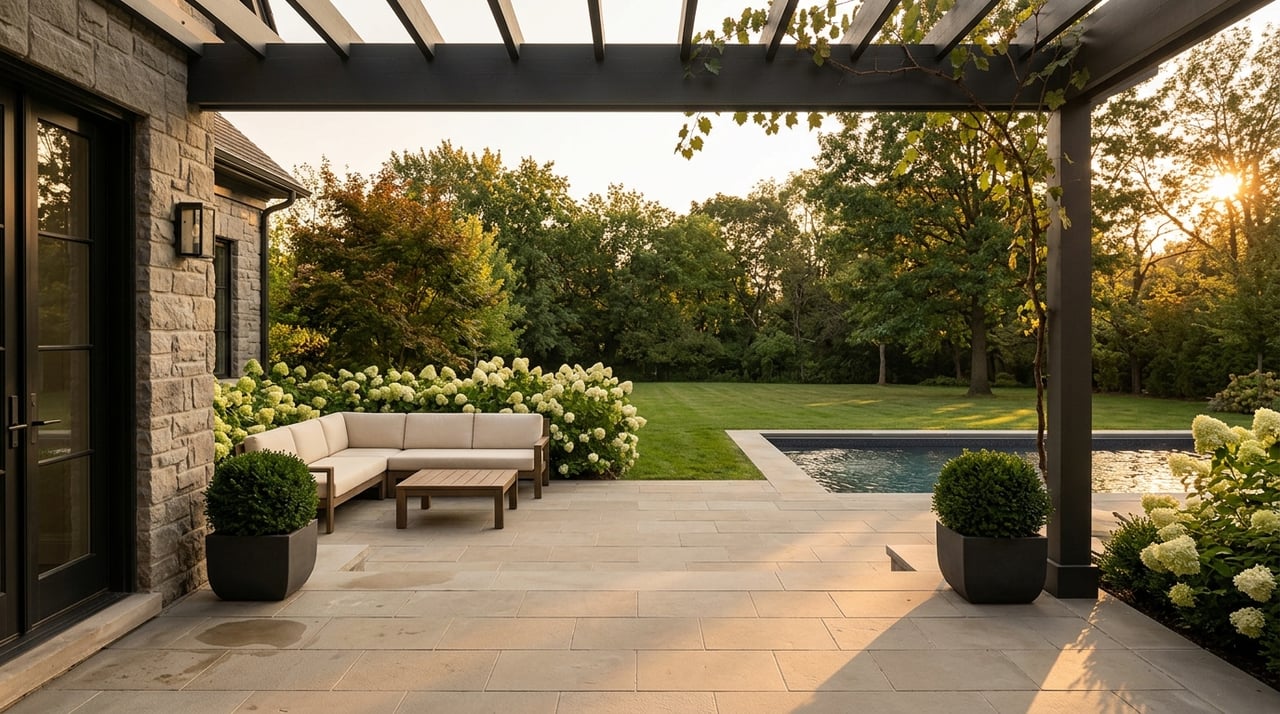
One of the clearest themes in Far Hills is that the home often feels connected to the landscape around it. The borough’s land-use pattern points to large-lot, estate-oriented homes with a privacy-heavy feel, along with a compact village core instead of broad suburban development.
If you value setbacks, acreage, and a more rural pace, this is likely part of the appeal. If you prefer dense walkability, frequent new construction, or lots of nearby retail activity, Far Hills may feel too quiet and spread out.
Far Hills and Equestrian Culture
Far Hills has a well-known equestrian identity, and it is more than a historical footnote. The borough’s planning documents tie the bridle trail network directly to community character, showing how deeply horse country traditions are woven into the area.
That identity becomes most visible during the Far Hills Race Meeting at Moorland Farm. The event marks its 105th running, and Somerset County tourism describes it as a major steeplechase gathering that can bring more than 30,000 attendees. On most days, Far Hills feels quiet and discreet. During race week, it becomes much more active.
What race season means for daily life
If you live in Far Hills, the Race Meeting is part of the local rhythm. It is a signature event with a strong sense of place, but it also comes with practical effects like traffic delays by late morning.
NJ Transit operates special service on race day, which helps visitors arrive by train. For residents, it is a reminder that Far Hills can shift from peaceful to busy during one of horse country’s most recognized annual events.
Green Space You Can Enjoy Year-Round
Far Hills offers more than event-day tradition. For quieter outdoor time, Leonard J. Buck Garden provides 29 acres of woodland rock garden, planted rock outcroppings, woodland trails, and seasonal plantings.
That kind of amenity fits the broader feel of the borough. You are not relying on a crowded town green for your nature fix. Instead, the area supports a more immersive outdoor experience rooted in landscape, seasonal beauty, and a slower pace.
In the wider Somerset Hills equestrian setting, the USET Foundation in nearby Gladstone also adds to the region’s horse-country identity through its historic training facility and event use. Together, these elements reinforce why Far Hills appeals to buyers looking for refined outdoor living rather than a more conventional suburban routine.
Housing Character in Far Hills
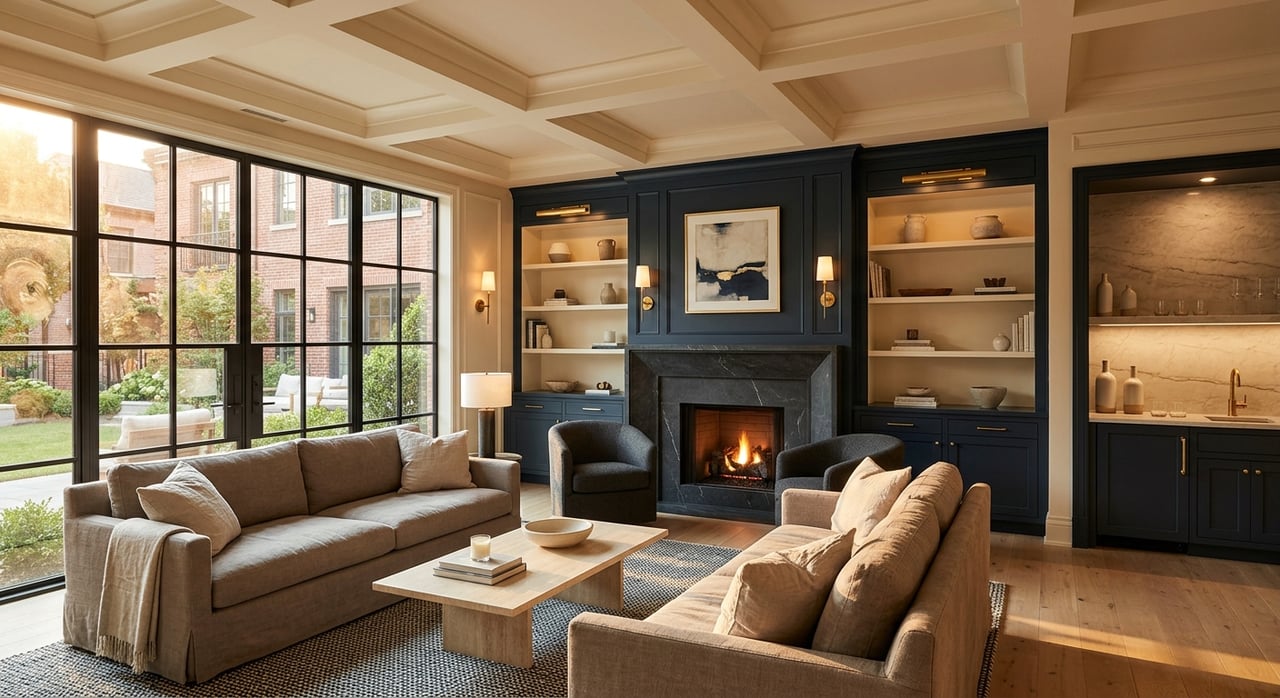
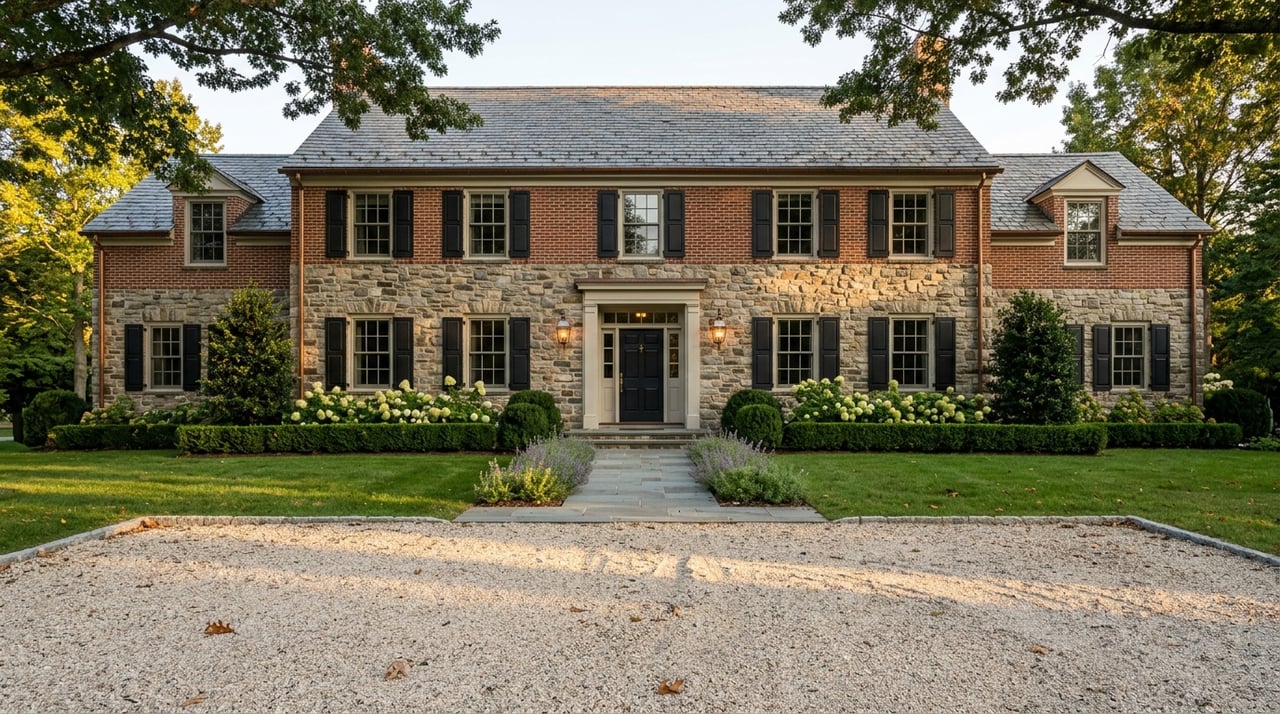
Far Hills does not read like a typical subdivision town. Its planning framework points to a village around the station and a countryside of very large lots, with detached single-family homes and estate properties making up much of the housing feel.
There are smaller pockets of more compact housing, but they are exceptions rather than the dominant pattern. In practical terms, that means inventory can feel established and limited rather than constantly refreshed by new development.
Why inventory feels established
The borough’s planning documents note that land available for new development was limited and that the sewer service area was nearly built out. That helps explain why Far Hills often feels mature and settled.
For buyers, this can be appealing because the setting is not in the middle of constant change. It can also mean patience matters. In a place where development is constrained and the housing character is already defined, the right property may take time to find.
Commuting and Getting Around
Far Hills offers rail access, but daily life still leans car-oriented. Far Hills Station sits on Route 202 near Far Hills Road, about half a mile east of Route 206, and includes 170 standard parking spaces, 7 accessible spaces, bike racks, and both daily and permit parking.
That setup makes the station useful as a commuter park-and-ride. It serves the Morris & Essex Gladstone Branch, with connections toward Summit, Hoboken, Newark, and Penn Station New York.
What the train commute looks like
Rail is a real option in Far Hills, especially if you need access to regional job centers. NJ Transit notes that most Penn Station New York trips require a transfer at Summit, although select Midtown Direct trains are direct.
This is helpful to know if you are comparing Far Hills with towns that offer more frequent or more direct train service. Here, the tradeoff is clear: you gain privacy, open space, and a more rural setting, but the transit pattern is more commuter rail than urban transit.
Is Far Hills walkable?
Walkability is strongest in and around the village-station core. Outside that area, the borough’s low-density layout and countryside character make daily life more car-based.
That does not make Far Hills inconvenient. It simply means the lifestyle is more deliberate. Errands, commuting, and social plans often involve driving, while the payoff is more space and a calmer physical environment.
The Luxury of Quiet
Luxury in Far Hills is often understated. It is less about being seen and more about how you live day to day. Space, privacy, mature surroundings, and a strong connection to the outdoors are the real amenities here.
That makes Far Hills especially appealing if you want a home that feels like a retreat while still offering access to the wider Somerset Hills region and regional rail service. It is a form of luxury rooted in land, discretion, and continuity.
Who Far Hills Fits Best
Far Hills tends to fit buyers who want a distinct kind of New Jersey living. If you are looking for estate-style surroundings, room to breathe, and a landscape-first setting, the borough offers a compelling match.
It may be especially attractive if you value:
- Large-lot homes and privacy
- A quieter, established residential environment
- Equestrian culture and scenic surroundings
- A small village core with rail access
- A more rural visual character within Somerset County
The main tradeoff is convenience. Far Hills has fewer commercial touchpoints and a more car-based rhythm than denser suburban towns. For many buyers, that is not a drawback. It is exactly the point.
If you are considering a move to Far Hills, the details matter. The right guidance can help you weigh lifestyle fit, property type, commute patterns, and the nuances of a market where discretion and timing often matter. To start the conversation, connect with Berly Young.
FAQs
What is daily life in Far Hills, NJ like?
- Daily life in Far Hills is shaped by low-density living, large properties, a small village core, and strong access to outdoor surroundings.
What types of homes are common in Far Hills, NJ?
- Far Hills is best known for detached single-family homes, estate properties, and larger parcels, with smaller pockets of more compact housing.
Is Far Hills, NJ good for commuters?
- Far Hills offers NJ Transit rail service on the Gladstone Branch and station parking, but many trips to Penn Station New York require a transfer at Summit, so commuting is practical but still more car-and-rail oriented.
Is Far Hills, NJ walkable for everyday errands?
- Walkability is strongest near the village and station area, while most of the borough remains more car-based because of its low-density layout.
What makes Far Hills, NJ feel unique?
- Far Hills stands out for its combination of scenic countryside, equestrian identity, established large-lot housing, and a quieter version of luxury living in Somerset County.